







Search Results for: Colombian Coffee Triangle Mark
From Uncle Juan to the Triangular Mark: Colombian Coffee Origin Stories and Blended Bean Flavor Analysis
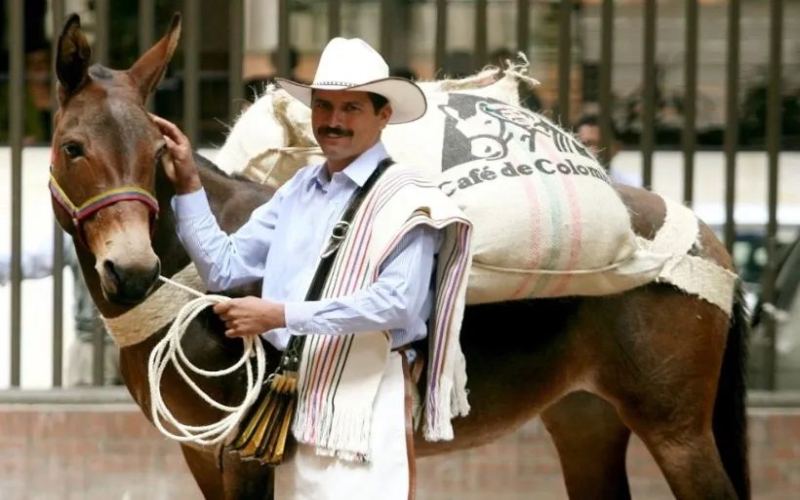
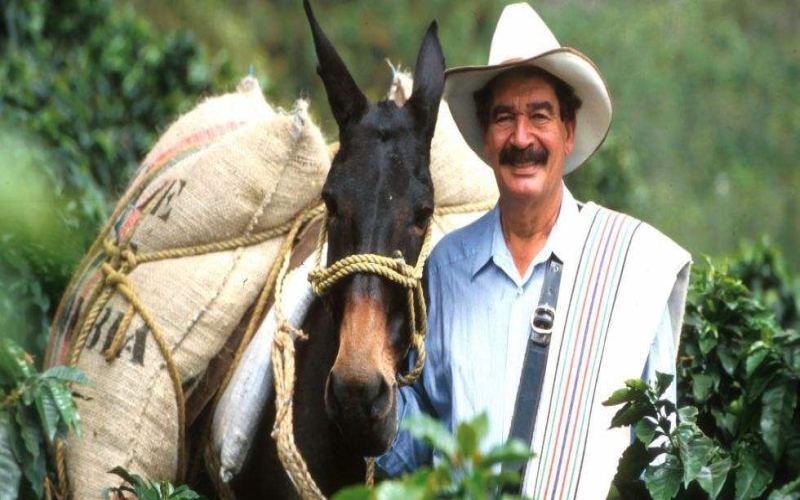
Colombian coffee occupies an important place in the global specialty coffee landscape, and when it comes to Colombia, many people first think of "Juan Valdez," the man leading a mule. This fictional character, launched in 1959 by the National Federation of Coffee Growers of Colombia (FNC), carries behind it the real stories of more than half a million coffee farmers and the rugged terroir of the Andes. This article will walk you through the origins of Juan Valdez and his mule Conchita, the meaning of the Colombian coffee triangle logo, and the aromatic performance of Colombian coffee in blends. It will also recommend a Colombian-Brazilian blend from Front Street Coffee for coffee lovers to reference and taste. [more…]
The Legendary Embodiment of Colombian Coffee: How Juan Valdez and His Mule Shaped the Benchmark for Origin Coffee
For friends who love Colombian coffee, the image of a coffee farmer leading a mule is surely familiar—Juan Valdez, known to everyone as "Don Juan." He was actually a fictional spokesperson created by the National Federation of Coffee Growers of Colombia in 1959, yet he became a globally recognized symbol of coffee. From the rugged transport routes of the Andes, to the marketing miracle that changed American consumers' perceptions, and now to Juan Valdez cafés in countries around the world, Don Juan's story traces Colombia's path to coffee modernization. This article will introduce you to his origins, the symbolic meaning of his mule Conchita, the story behind the classic triangular logo, and his profound influence on the promotion of single-origin coffee. [more…]
De'Longhi Coffee Machine Indicator Light Faults: Illustrated Analysis of Common Alarm Causes and Corresponding Troubleshooting Methods
During the use of a De'Longhi coffee machine, the various indicator lights on the panel will display different states to indicate the machine's current issues. This article uses diagrams to explain one by one the meanings of the water shortage light flashing and staying on, the coffee grounds container indicator light flashing and staying on, the extractor abnormality represented by the triangular exclamation mark indicator light, and the excessive bean amount issue when the grounds container and exclamation mark flash simultaneously. It also introduces the meanings of the display icons on mid-to-high-end models, including water shortage, bean shortage, full grounds container, and descaling prompts. If the problem still cannot be resolved after troubleshooting step by step, it is recommended to contact a professional repair technician. We hope this is helpful to friends who are currently using De'Longhi coffee machines. [more…]
A Complete Analysis of Colombian Coffee Regions, Flavors, and Variety Grading: From the MAM Golden Triangle to Huila and Cauca
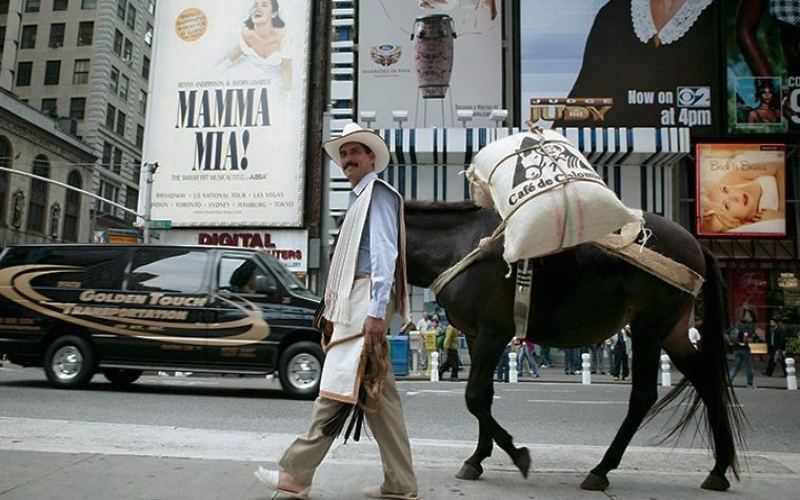
Colombia, with the advantageous terrain of the Andes Mountains and diverse climates, has become one of the world's most important producers of quality coffee. From the classic MAM Coffee Triangle to Santander in the north and Huila and Cauca in the south, each region presents a distinctly different flavor profile due to differences in altitude, temperature variation, and microclimate. This article systematically reviews the terroir characteristics of Colombia's main coffee-producing regions, the origins and performance of six major cultivated varieties, green bean grading standards, and the effects of processing methods such as washed, anaerobic natural, and anaerobic enzyme-washed on flavor. It also combines Front Street Coffee's bean list products such as Rose Valley, Huila everyday beans, and Huayueye to provide specific brewing parameters and flavor descriptions, helping coffee enthusiasts fully understand the diverse charm of Colombian coffee. [more…]
Colombian Coffee Regions and Specialty Bean Grading: A Flavor Analysis from Medellín to Nariño
Colombian coffee is renowned worldwide for its balanced, smooth taste and rich aroma, with the three cities of Medellín, Armenia, and Manizales together forming the famous "Coffee Triangle." For Front Street Coffee's Colombian offerings, the Medellín growing region is the top recommendation, with plump beans, moderate acidity, and excellent balance. Colombian coffee beans are mostly Coffea arabica, hand-picked and washed-processed, and after medium roasting they present a light, silky flavor, earning them the title "green gold." This article will walk you through Colombian coffee's varieties and grades, its main growing regions, and Front Street's recommendations, and will explain the difference between Supremo and Excelso, as well as the Narino Supremo coffee beans exclusively purchased by Starbucks. [more…]
Analysis of Differences Between Colombian and Brazilian Coffee Origins and Introduction of New Honey-Processed Geisha from Hacienda La Esperanza
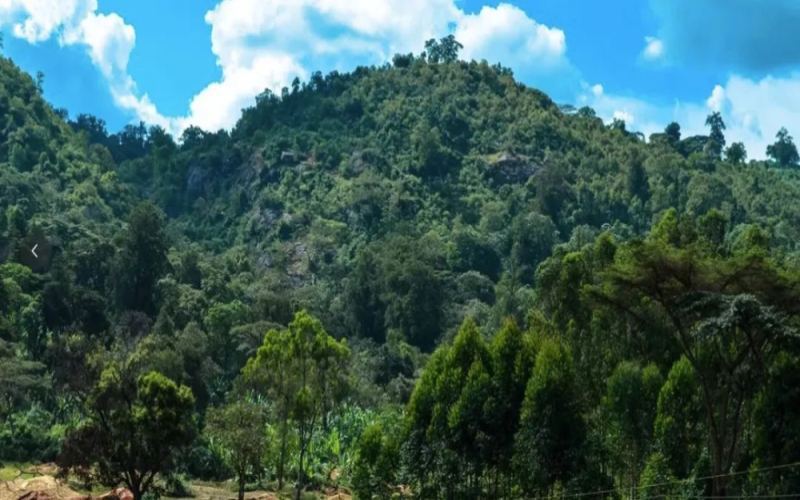
Although Brazil and Colombia, the two major coffee-producing countries in South America, are geographically adjacent, their differences in growing environment, estate models, altitude, and climate give rise to distinctly different coffee flavors. Brazil is dominated by flat plateaus and large-scale mechanical harvesting, producing coffee with low acidity and prominent nutty, chocolatey notes, often used in blends; Colombia, by contrast, relies on the high altitudes, volcanic soils, and diverse microclimates of the Andes to develop a richer specialty coffee scene, mainly based on small estate cultivation. This article will compare the similarities and differences between the coffees of the two countries in detail from the perspectives of history, environment, producing regions, and processing methods, and introduce Front Street Coffee's newly listed La Esperanza Estate honey-processed Geisha, offering a taste exploration from the classic to the refined. [more…]
Why Has Colombia's Huila Region Become a Hot Source for Specialty Coffee? A Comprehensive Analysis from Terroir to Flavor
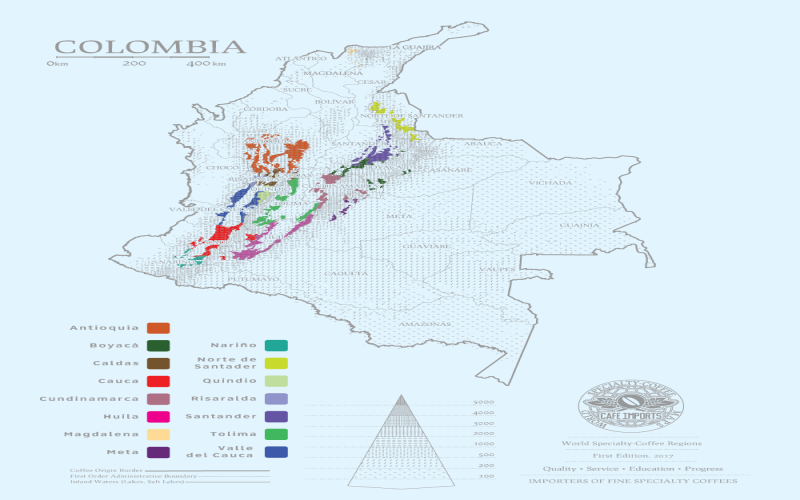
Colombia, as the world's third-largest coffee-producing country, has 15 coffee regions, among which Huila has attracted considerable attention in the specialty coffee market in recent years. Huila is located in the valley between the eastern and central mountain ranges, with volcanic soil, a mild climate, and abundant water resources. Coffee is grown at altitudes above 1,500 meters, producing coffee with consistent quality and full-bodied flavor. From an obscure agricultural area to the axis of the new coffee triangle, Huila has repeatedly won COE awards thanks to its high yield and excellent quality, winning consumers over with nutty, chocolate, and caramel flavors and pleasant fruit acidity. Front Street Coffee's daily drinking bean series also includes a washed Caturra from this region, presenting notes of dark chocolate and caramel. [more…]
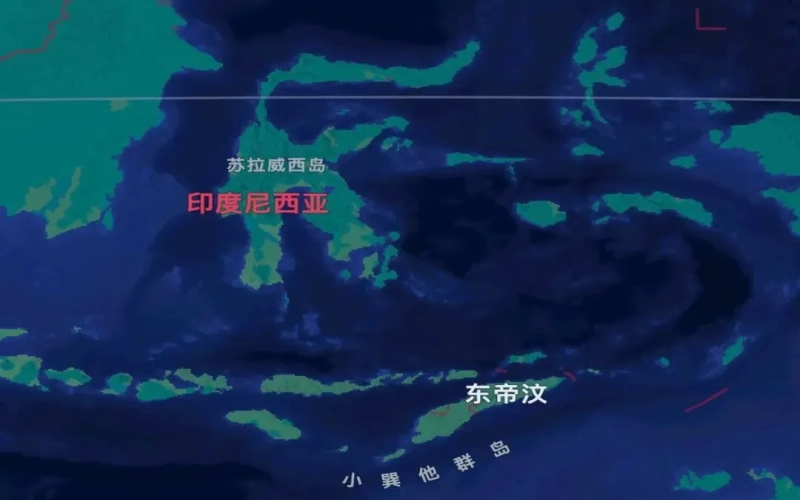
A Complete Guide to Timor-Leste's Coffee Regions: Geography, Main Producing Areas, and the Origins of the Tim Tim Hybrid
Although Timor-Leste is a small country, it holds a place in Asia's coffee landscape. Located at the eastern end of the Nusa Tenggara archipelago, this nation has high-altitude mountains, volcanic soil, and abundant rainfall, providing exceptional natural conditions for coffee cultivation. Timor-Leste coffee is predominantly organically grown, with almost no use of chemicals, and its production areas are concentrated in Ermera, Manufahi, and other regions, with Ermera accounting for half of the national output. In terms of varieties, Hibrido de Timor, a natural hybrid of Arabica and Robusta, combines Arabica's quality with Robusta's disease resistance, and later gave rise to widely planted varieties such as Catimor. This article will take you deeper into the production regions and variety lineage of Timor-Leste coffee. [more…]

Analysis of Flavor Differences Between Colombian and Brazilian Coffee Beans: Growing Regions, Grading Characteristics, and Taste Comparison
Colombia and Brazil are both pillars of the Central and South American coffee-growing regions, yet the two countries differ considerably in their growing conditions, flavor profiles, and market positioning. Colombia, with its dual ocean ports on the Atlantic and Pacific, its three Cordillera mountain ranges creating microclimates, and its high-altitude volcanic ash soils, produces Arabica coffees with bright acidity and refined flavors. Brazil, by contrast, with its flat terrain, lower elevations, and Bourbon varieties as its foundation, offers a balanced cup with notes of nuts and chocolate and a heavy body. This article systematically compares the differences between the coffee beans of the two countries from the perspectives of growing region distribution, cultivation environment, varieties and processing, and cupping flavors, and concludes with specific bean recommendations from Front Street Coffee. [more…]
A Comprehensive Analysis of Colombian Coffee Bean Varieties and the Flavor Characteristics of the Cauca Region
Colombian coffee is globally renowned for being balanced and smooth, and in recent years the Cauca region has attracted considerable attention. This article will outline Colombia's main coffee varieties and grading system, analyze the flavor characteristics of classic regions such as Medellín, Armenia, and Manizales, and take a deeper look at the unique terroir and cupping performance of the Cauca region. At the same time, the article will also mention Front Street Coffee's bean selection recommendations for Colombian coffee, helping enthusiasts understand the diverse charm of this major South American coffee country in a more systematic way. [more…]
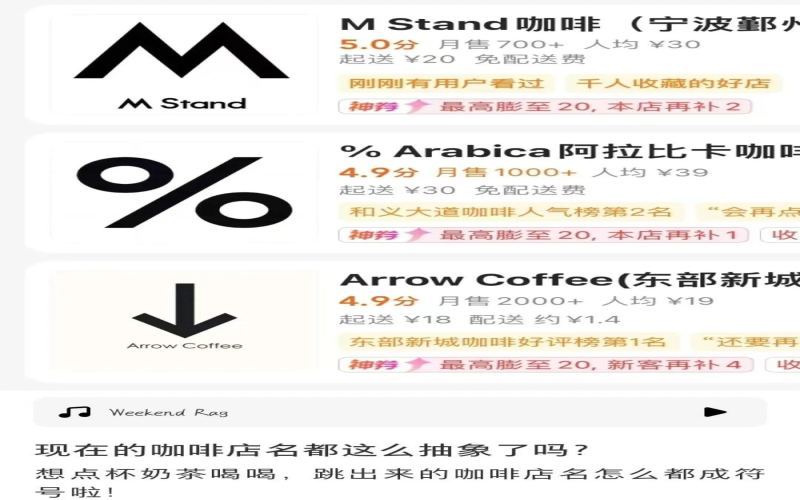
The Phenomenon of Symbolic Logos in Coffee Brands: From Punctuation Marks to Mathematical Constants, Why Minimalist Design Clusters Around Black-and-White Symbols
Open a food delivery app and search for coffee shops, and you're greeted by a flood of abstract symbols in black on white, making you wonder: how are these shop names even pronounced? Some netizens have discovered that by simply taking punctuation marks and mathematical symbols from a keyboard, bolding them, and putting them on a white background, you can mass-produce brand logos. The comments section is full of people sharing images confirming this, with commas, question marks, double quotation marks, multiplication signs, the mathematical constant π, the infinity symbol ∞, and even the # and * on a phone's dial pad all becoming visual identifiers for coffee brands. This trend of minimalist black-and-white symbols, represented by %Arabica and Mstand, is it a form of individual expression or a case of blindly imitating what others do? When consumers can't even name the symbols, how are brands supposed to be remembered? [more…]
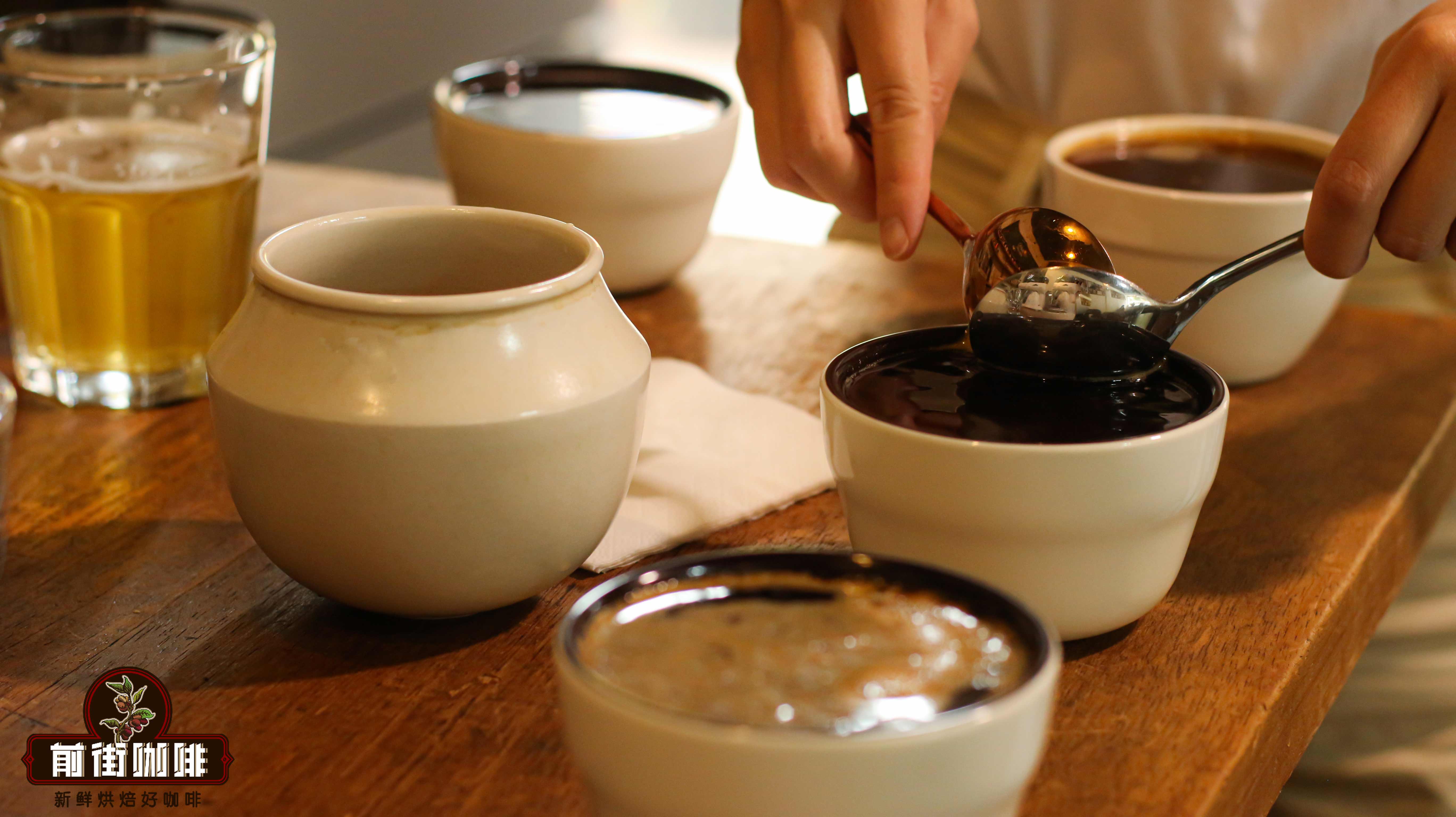
What exactly is the difference between cupping and triangle testing? A comprehensive analysis from origins and standard procedures to sensory testing
Cupping is a common method used in the coffee industry to evaluate bean quality, but why not use pour-over instead? This question takes us back to the origins of cupping. Cupping originated in the 1980s in the American coffee trade; in order to quickly, conveniently, and with minimal human intervention test large batches of coffee beans, immersion extraction came into being. Today cupping is widely used in competitions, appraisal, and research. This article will introduce in detail the standard parameters and complete process of cupping, including grinding, pouring water, breaking the crust, skimming, and tasting, and will also explain the definition of triangle cupping and how it differs from regular cupping. Front Street Coffee will also share a method for easily doing cupping at home to help you improve your tasting ability. [more…]
A Complete Guide to Colombian Coffee Varieties, Grading, and Regions: Flavor Secrets from Caturra to Castillo
Colombia is the world's third-largest coffee producer, and its coffee is renowned for its bright acidity, pronounced sweetness, and rich, layered flavors. From Caturra to Colombia to Castillo, the evolution of varieties reflects the ongoing efforts of the FNC and Cenicafe to combat leaf rust and berry disease. This article will outline the evolution of Colombian coffee varieties, the distribution of major growing regions, and grading standards, and, combined with Front Street Coffee's brewing practices, help you understand why coffee nurtured by this stretch of the Andes can present notes of rose, berry jam, and a chocolate finish. [more…]
Colombian Coffee Beans: A Comprehensive Analysis of Varieties, Flavors, and Grading Standards—From Caturra to Castillo
Colombian coffee holds a pivotal place in the global specialty coffee landscape, where its favorable terroir—low latitude and high altitude—nurtures coffee beans with rich, layered flavors. From traditional Caturra to the disease-resistant new variety Castillo, Colombia's coffee varieties have undergone decades of evolution. The National Federation of Coffee Growers' strict control over export quality has also given rise to a detailed grading system. Starting from Front Street Coffee's blending experience, this article sorts out the variety lineage, producing regions, and grade determination methods of Colombian coffee, helping coffee enthusiasts gain a more systematic understanding of the unique charm of this major South American coffee country. [more…]
Colombian Supremo Specialty Coffee Bean Analysis: A Complete Guide from Origin and Variety to Brewing Flavor
Colombia ranks third in global coffee production, and its favorable growing environment of low latitude and high altitude produces coffee beans of outstanding quality. Drawing on Front Street Coffee's espresso blending experience, this article sorts out the flavor differences between Brazilian and Colombian coffee, offers an in-depth introduction to the evolution of the Colombian Caturra and Colombian varieties, and explains how Castillo became today's dominant variety. It also details the screen size standards and grading system of the Supremo grade, and includes the three-stage brewing parameters and flavor description for Front Street Cherry Castillo coffee beans, providing coffee lovers with a complete framework for understanding Colombian specialty coffee. [more…]
Colombian Coffee Supremo Grade Flavor Analysis and Brewing Tasting Guide
Colombia ranks third in the world in coffee production, and its low-latitude, high-altitude growing environment creates superior quality. From Caturra to the Colombia variety, and then to the evolution of Castillo, Colombia's coffee industry has continually innovated while fighting diseases such as leaf rust. This article systematically sorts out the variety lineage of Colombian coffee, the distribution of major producing regions, and the classification standards of the Supremo grade, and combines Front Street Coffee's brewing plan to give you an in-depth understanding of the unique charm of this South American specialty coffee—from rose floral aromas to berry jam flavors, from nutty notes to caramel sweetness, all in one go explaining the key points of tasting Colombian coffee. [more…]
Colombian Coffee Flavor Analysis: From Rose Valley to Sakura, Exploring the Regional Characteristics of Strawberry-Flavored Coffee Beans
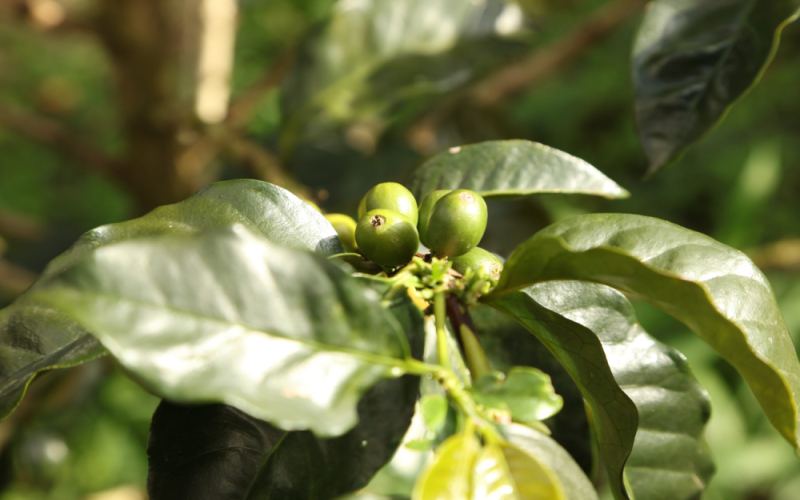
Colombian coffee is known for its balanced, smooth body and bright acidity, and on this land nourished by the Andes Mountains, different regions and processing methods give rise to distinctly characteristic flavors. This article takes you deeper into the geographical indication background of Colombian coffee and the distribution of its main producing regions, with a focus on analyzing the flavor characteristics and processing techniques of coffee beans such as Rose Valley, Huila, Flower Moon Night, and Cherry Blossom, while also sharing Front Street Coffee's brewing suggestions to help you find your ideal strawberry-flavored coffee beans. [more…]
Colombian Single-Origin Coffee Beans: A Complete Guide to Origin Tracing, Growing Environment, Quality Characteristics, and Grading System
Colombian coffee is one of the few single-origin coffees named after a country and sold worldwide. Thanks to its superior geography and climate, along with the careful cultivation of local growers, it has earned a reputation far beyond that of other producing regions. The roasted beans give off a sweet aroma, with acidity balanced by sweetness and a mellow bitterness, and a moderate body, often used in premium coffee blends. This article will systematically sort out the historical origins, botanical morphology, growing environment, regional quality characteristics and grade classification of Colombian coffee, and introduce related products recommended by Front Street Coffee, taking you through a comprehensive understanding of this South American coffee gem known as "green gold." [more…]
A Panoramic Guide to Colombia's Coffee Regions: Flavor Codes and Variety Characteristics from Huila to Nariño
As the world's second-largest Arabica coffee producer, Colombia—with the volcanic soils and diverse microclimates of the Andes Mountains—nurtures a balanced, mellow coffee flavor. This article systematically reviews the history of Colombian coffee cultivation, its geographical advantages, and its main producing regions—Cauca, Tolima, Huila, Nariño, Caldas, and Santander—analyzing the characteristics and flavor differences of each region, and also provides a detailed introduction to the Huila washed beans selected by Front Street Coffee along with brewing recommendations, offering coffee lovers a complete guide to Colombian coffee. [more…]
A Complete Guide to Colombia's Coffee Region Classification System, Variety Flavors, and Brewing Recommendations
Colombia, with the unique terroir conditions of the Andes Mountains, has become an important producer of high-quality coffee worldwide. Its coffee-growing regions are widely distributed from north to south, and different areas exhibit distinctive flavor profiles due to differences in altitude, climate, and soil. This article systematically reviews the flavor characteristics of Colombia's main coffee-producing regions such as Medellin, Santander, and Huila, introduces the origins and characteristics of six major varieties—Caturra, Typica, Bourbon, Colombia, Castillo, and Tabi—and details the grading standards based on defect rate and bean size. In addition, it will analyze the effects of processing methods such as washed, anaerobic natural, and anaerobic enzyme-washed on flavor, and include Front Street Coffee's brewing parameters and tasting references, providing coffee enthusiasts with a complete guide to Colombian coffee knowledge. [more…]